How AI cameras help manage Lagos road congestio
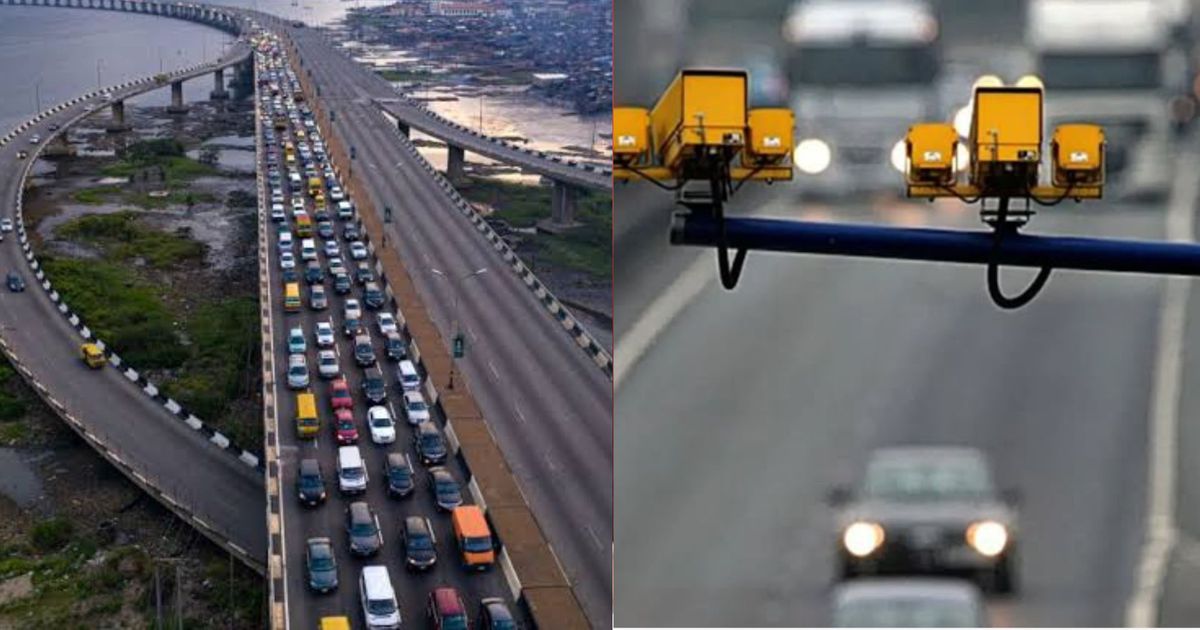
Every weekday morning in Lagos, millions of commuters face the same frustrating reality: long queues of vehicles crawling through intersections, unpredictable travel times, and hours lost in traffic. According to the Lagos Metropolitan Area Transport Authority, Lagos experiences some of the most intense urban congestion in Africa due to rapid population growth, limited road expansion, and increasing vehicle ownership.
But a new technological shift is beginning to transform how cities manage traffic: Artificial Intelligence-powered traffic monitoring systems.
Across major global cities—from Singapore to London—AI-driven monitoring platforms are analyzing road activity in real time, predicting congestion before it happens, and helping traffic authorities respond faster. For a complex road network like Lagos, this innovation could significantly improve mobility, reduce delays, and make daily commuting far more predictable.
Understanding how AI traffic monitoring systems reducing congestion in Lagos work—and why they are becoming essential for modern cities—reveals how technology can reshape urban transportation.
What Is AI Traffic Monitoring?
AI traffic monitoring refers to the use of artificial intelligence, computer vision, and machine learning algorithms to observe, analyze, and optimize road traffic conditions in real time.
Unlike traditional traffic cameras that simply record footage, AI systems actively interpret traffic data.
These systems combine several technologies:
• Smart traffic cameras
• Computer vision vehicle detection
• Machine learning congestion prediction
• IoT-connected traffic sensors
• Real-time traffic analytics platforms
By processing live data streams, the system can identify:
• traffic density
• vehicle speed patterns
• lane blockages
• illegal parking
• accident risks
• abnormal congestion buildup
For cities like Lagos, deploying AI-powered traffic monitoring systems for smart cities enables authorities to detect problems instantly and respond before congestion spirals out of control.
Why Lagos Faces Severe Road Congestion
To understand why AI monitoring matters, it's important to examine the structural causes of Lagos traffic.
Lagos is one of the fastest-growing megacities in the world. The United Nations projects that Lagos will exceed 24 million residents within the next decade.
Several factors contribute to chronic congestion.
Rapid Population Growth
More people mean more vehicles. Lagos registers thousands of new vehicles each year, increasing pressure on existing roads.
Limited Road Capacity
Despite development projects, the road network cannot expand fast enough to match population growth.
Poor Traffic Visibility
Traffic managers often lack real-time road data, making it difficult to respond quickly to incidents.
Informal Transport Activity
Commercial buses, motorcycles, and ride-hailing services frequently stop unpredictably, creating sudden bottlenecks.
Inefficient Signal Timing
Many intersections still rely on fixed traffic light schedules that cannot adapt to changing traffic conditions.
AI traffic monitoring systems address these issues by introducing data-driven traffic management.
How AI Traffic Monitoring Works
AI traffic monitoring systems operate through a layered technology infrastructure.
1. Smart Camera Networks
High-resolution cameras installed at intersections and highways capture continuous video footage.
Using computer vision algorithms, the system detects vehicles, pedestrians, bicycles, and road obstacles.
A similar system has been deployed in Singapore’s Land Transport Authority smart mobility program.
2. AI Image Recognition
Machine learning models analyze video frames to identify patterns.
The system can automatically detect:
• traffic congestion buildup
• stalled vehicles
• illegal U-turns
• lane violations
• accidents
These detections occur within seconds.
3. Traffic Data Analytics Platforms
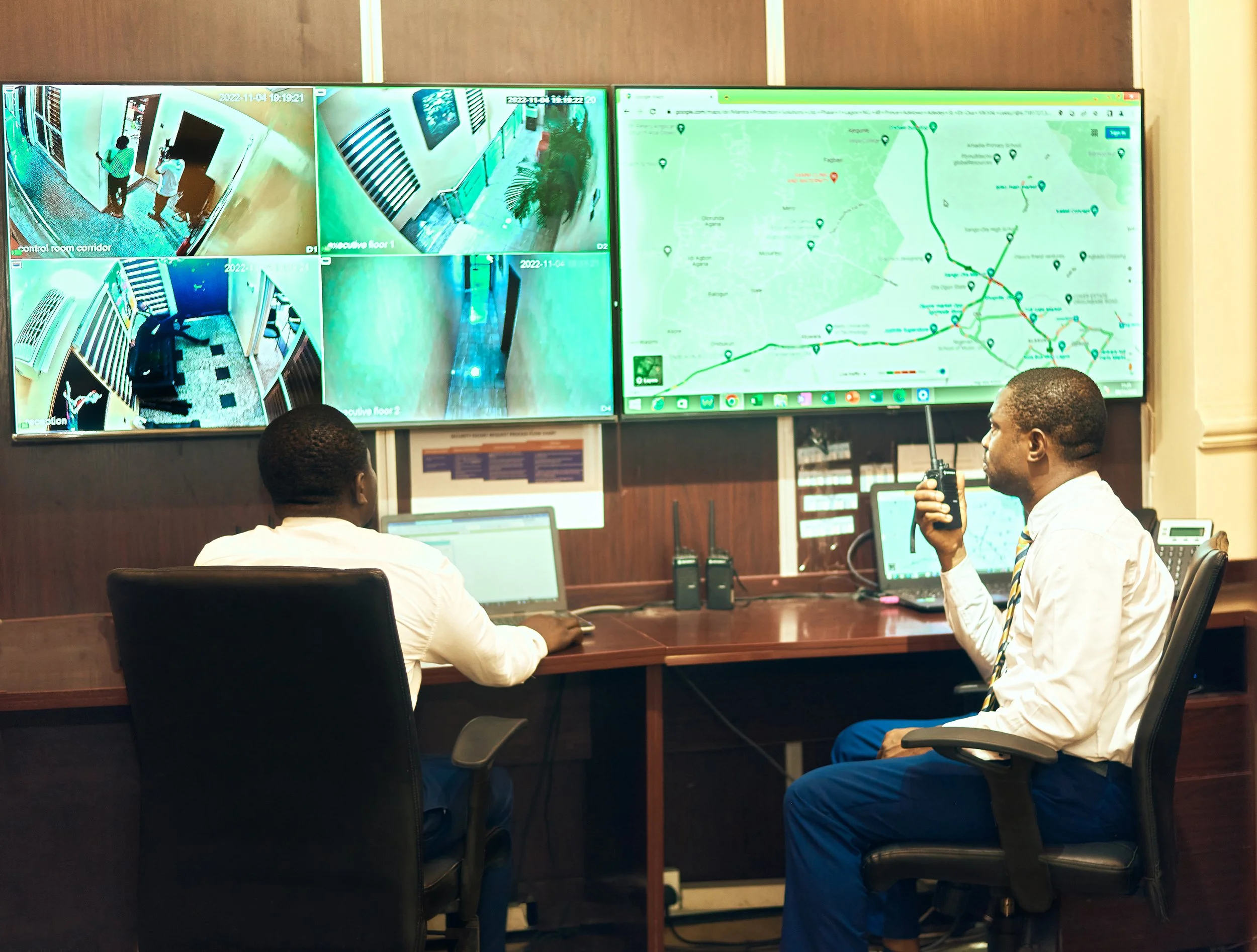
The analyzed data feeds into centralized dashboards used by traffic management centers.
Authorities can see:
• congestion heatmaps
• real-time vehicle flow
• predicted bottlenecks
• accident alerts
4. Predictive Traffic Forecasting
AI algorithms analyze historical and real-time data to predict traffic conditions.
For example, the system can forecast:
• rush hour congestion zones
• event-based traffic surges
• weather-related delays
5. Automated Response Systems
Once congestion is detected, the system can trigger actions such as:
• adjusting traffic signal timing
• rerouting traffic
• notifying traffic officers
• alerting drivers via navigation apps
These automated responses significantly reduce delay times.
Global Cities Already Using AI Traffic Monitoring
Several cities have successfully implemented AI-driven traffic monitoring technologies.
London
The Transport for London smart traffic system uses AI cameras to monitor road conditions and detect congestion.
The platform has improved traffic response time by nearly 30%.
Singapore
Singapore’s intelligent traffic monitoring system integrates AI cameras, vehicle sensors, and predictive analytics to optimize road flow.
Barcelona
Barcelona uses AI-based urban mobility analytics to monitor traffic patterns and manage congestion across the city.
Hangzhou, China
Hangzhou introduced Alibaba’s City Brain AI traffic platform, which reportedly reduced congestion by 15% according to research by MIT Technology Review.
These examples demonstrate how AI monitoring systems are reshaping urban mobility worldwide.
How AI Traffic Monitoring Could Transform Lagos Roads
For Lagos, implementing AI-powered traffic monitoring could produce several major benefits.
Faster Incident Detection
Currently, traffic incidents may take minutes—or even hours—to be reported.
AI systems detect incidents instantly and alert authorities.
Smarter Traffic Signal Control
AI can dynamically adjust traffic lights based on current traffic volume rather than fixed schedules.
This improves intersection efficiency.
For example, you can read more about signal optimization in this guide:
Smart Traffic Cameras Reducing Congestion Across Lagos
Better Traffic Law Enforcement
AI monitoring cameras can automatically identify violations such as:
• illegal parking
• running red lights
• lane obstruction
This supports smarter enforcement.
Improved Urban Planning
Traffic data collected over time helps city planners identify where road infrastructure improvements are most needed.
Real-Time Navigation Guidance
AI monitoring platforms can integrate with mapping services like Google Maps to provide drivers with better route recommendations.
You can also explore related innovations here:
Smart Intersection Systems Improving Lagos Road Safety
Key Technologies Powering AI Traffic Monitoring
AI monitoring systems rely on several core technologies.
Computer Vision
Computer vision enables cameras to detect vehicles and analyze traffic behavior.
Machine Learning
Machine learning algorithms learn traffic patterns and improve prediction accuracy over time.
Edge Computing
Edge computing allows data processing to occur close to the cameras rather than sending all data to central servers.
This reduces latency.
Internet of Things (IoT)
Connected sensors across roads collect data about traffic speed, vehicle counts, and road conditions.
Cloud-Based Traffic Platforms
Cloud systems aggregate large volumes of traffic data for analysis and visualization.
These technologies together form the backbone of modern smart city traffic management systems.
Case Study: AI Traffic Monitoring in Hangzhou
One of the most successful AI traffic monitoring projects is Hangzhou’s City Brain.
The system analyzes data from:
• 1,000+ traffic cameras
• GPS data from taxis
• traffic signals
• emergency services
Using AI algorithms, the platform can:
• identify congestion hotspots
• optimize signal timing
• clear emergency routes faster
The results include:
• 15% reduction in traffic congestion
• faster emergency response times
• smoother traffic flow
This demonstrates the power of real-time traffic monitoring using artificial intelligence.
Challenges Lagos Must Address
Despite its benefits, implementing AI traffic monitoring in Lagos presents challenges.
Infrastructure Costs
Deploying cameras, sensors, and data centers requires significant investment.
Data Integration
Traffic data from multiple agencies must be integrated into a unified platform.
Maintenance Requirements
AI monitoring systems require continuous maintenance and software updates.
Privacy Concerns
Cities must ensure surveillance systems respect data privacy regulations.
Skilled Workforce
Managing AI systems requires trained data engineers and urban mobility specialists.
Addressing these issues is essential for long-term success.
Future of AI Traffic Monitoring in Smart Cities
The future of AI traffic monitoring is rapidly evolving.
Several innovations are emerging:
• autonomous vehicle traffic coordination
• AI-powered traffic simulation models
• drone-based traffic monitoring
• digital twins of city traffic systems
• predictive congestion prevention
Research by the World Economic Forum suggests that AI-enabled traffic systems could reduce urban congestion by up to 25% globally.
For Lagos, adopting these technologies would align the city with the global transition toward smart mobility ecosystems.
Practical Lessons Lagos Can Apply
To successfully deploy AI monitoring systems, Lagos can follow several strategies.
Start With High-Congestion Corridors
Deploy AI monitoring along key highways such as:
• Third Mainland Bridge
• Ikorodu Road
• Lekki-Epe Expressway
Build a Central Traffic Command Center
A unified Smart Traffic Operations Center can coordinate monitoring and response.
Integrate Traffic Data Platforms
Combining data from road sensors, ride-hailing apps, and GPS systems improves accuracy.
Partner With Technology Companies
Public-private partnerships can reduce costs and accelerate implementation.
Educate Drivers
Public awareness helps drivers understand how smart traffic systems improve mobility.
People Also Ask
How does AI reduce traffic congestion?
AI reduces congestion by analyzing real-time traffic data, predicting bottlenecks, and adjusting traffic signals or routing vehicles to maintain smoother traffic flow.
What cities use AI traffic management systems?
Cities such as Singapore, London, Barcelona, and Hangzhou use AI traffic monitoring to optimize road networks and reduce congestion.
Can AI traffic monitoring improve road safety?
Yes. AI systems can detect dangerous driving behavior, accidents, and road hazards quickly, enabling faster response from authorities.
Is AI traffic monitoring expensive?
While initial infrastructure costs can be high, AI monitoring systems often reduce long-term expenses by improving traffic efficiency and lowering accident-related costs.
Will Lagos adopt AI traffic monitoring?
Several smart mobility initiatives are already emerging in Lagos, and AI monitoring is expected to play a growing role in future urban traffic management strategies.
A Smarter Road Network for Lagos
Traffic congestion has long been one of the biggest challenges facing Lagos residents. However, advances in artificial intelligence, real-time traffic analytics, and smart city technologies are opening new possibilities for managing urban mobility more efficiently.
By adopting AI traffic monitoring systems, Lagos could significantly improve traffic visibility, reduce delays, and create a more reliable transportation network for millions of daily commuters.
If implemented strategically, AI-powered monitoring could become one of the most important tools for building a smarter, more connected Lagos transport system.
What do you think about AI traffic monitoring in Lagos? Could smart technology finally solve the city’s traffic crisis? Share your thoughts in the comments and share this article with others interested in the future of smart mobility.
#Lagos #AI #Mobility #Traffic #SmartCity



0 Comments