Digital
parking solutions easing city parking stress
Anyone who has driven through Lagos during peak hours knows the moment of frustration: you finally reach your destination, only to spend another 20 minutes circling the block searching for a parking space. In districts like Victoria Island, Ikeja, and Lekki, the hunt for parking can be almost as stressful as the commute itself. For many drivers, the problem is not simply congestion—it is the urban parking crisis quietly worsening traffic conditions across the city.
Urban mobility experts increasingly point out that a large share of inner-city traffic is generated by vehicles searching for parking. According to studies cited by the International Transport Forum, up to 30% of urban traffic in dense districts may consist of drivers cruising for parking spaces. In a megacity like Lagos, where vehicle ownership continues to rise, inefficient parking systems amplify road congestion, increase fuel consumption, and worsen air pollution.
This is where smart parking apps for urban cities are emerging as a powerful digital solution. By combining real-time data, mobile technology, and smart sensors, these platforms allow drivers to find, reserve, and pay for parking spaces directly from their smartphones. Across the world—from London to Singapore—cities are using smart parking platforms to streamline urban traffic flow.
For Lagos, a city rapidly exploring smart mobility solutions, these technologies could become a critical tool in managing the growing pressure on its road network.
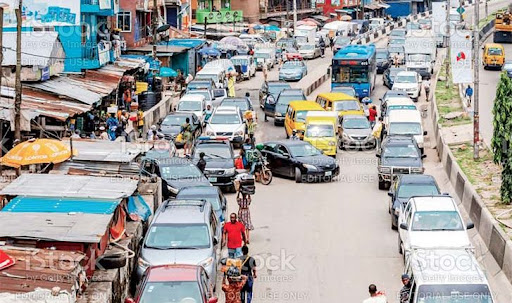
Understanding the Urban Parking Crisis in Lagos
Lagos is Africa’s largest metropolitan area, with an estimated population exceeding 20 million residents. Every year, thousands of new vehicles join the city’s already strained road system.
However, the growth of parking infrastructure has not kept pace with vehicle ownership.
Key factors behind the parking crisis
Several urban planning challenges contribute to Lagos’ parking difficulties:
• Limited off-street parking facilities in commercial districts
• Informal roadside parking occupying traffic lanes
• Lack of real-time parking availability information
• Inefficient manual parking payment systems
• Rapid growth of ride-hailing and delivery vehicles
These issues often result in vehicles double-parking, blocking sidewalks, or occupying road shoulders. The result is reduced road capacity and increased travel delays.

Research highlighted by the World Bank Urban Mobility Program shows that poorly managed parking can reduce roadway capacity by up to 20% in congested city centers.
Without better management tools, the parking challenge can escalate into a full urban mobility bottleneck.
What Are Smart Parking Apps?
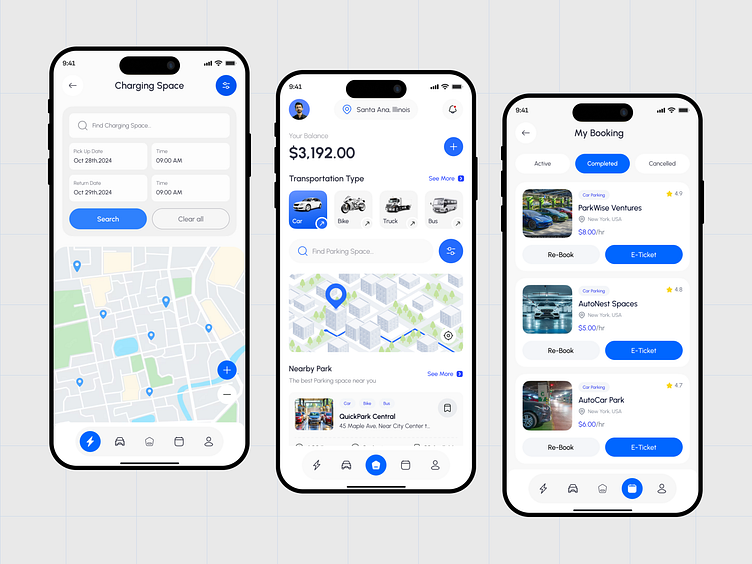

A smart parking app for crowded cities is a mobile platform that connects drivers with available parking spaces using real-time data.
These applications integrate several technologies:
• Internet of Things (IoT) parking sensors
• GPS navigation and mapping
• Cloud data platforms
• Mobile payment systems
• Artificial intelligence analytics
Drivers can open the app, see nearby available parking spots, navigate directly to the space, and pay digitally.
Instead of circulating streets in search of parking, motorists can plan their parking before arrival.
Typical features of smart parking apps
Most modern smart parking platforms include:
• Real-time parking availability maps
• Space reservation systems
• Digital payment and receipts
• Parking duration alerts
• Navigation guidance to available spaces
• Dynamic pricing based on demand
Cities that adopt these systems often see significant reductions in parking search time.
According to the Smart Cities Council, smart parking technologies can reduce parking search traffic by up to 40% in high-density urban zones.
How Smart Parking Apps Reduce Traffic Congestion
One of the most powerful benefits of digital parking platforms is their ability to reduce “cruising traffic”—vehicles driving around searching for parking.
When drivers know exactly where to park before reaching their destination, unnecessary circulation disappears.
Mechanisms that improve urban traffic flow
Smart parking systems improve road efficiency in several ways:
1. Real-time space visibility
Drivers instantly see available parking spaces through an app interface.
This eliminates guesswork and reduces roaming traffic.
2. Reservation systems
Some platforms allow drivers to reserve spaces before arrival, ensuring parking certainty during busy periods.
3. Dynamic parking pricing
Cities can adjust parking fees based on demand.
Higher prices in crowded areas encourage turnover and discourage long-term parking in high-traffic zones.
4. Reduced illegal parking
When parking options are easier to find, drivers are less likely to double-park or block traffic lanes.
These improvements collectively support smoother traffic flow across busy urban corridors.
For a city already dealing with severe road congestion, such systems can provide measurable relief.
Readers interested in broader digital traffic solutions may also explore how AI improves road management in this related article:
AI Traffic Monitoring Cutting Congestion Across Lagos
Global Cities Successfully Using Smart Parking Systems
Several cities worldwide have already implemented smart parking technology with impressive results.
Comparison of Smart Parking Implementations
| City | Technology Used | Key Result |
|---|---|---|
| San Francisco | SFpark sensor network | Reduced parking search time by 43% |
| Barcelona | IoT parking sensors | Reduced congestion in central districts |
| Singapore | Smart parking mobile apps | Highly efficient digital payment system |
| London | App-based parking reservations | Improved curbside space turnover |
San Francisco’s SFpark program, managed by the San Francisco Municipal Transportation Agency, used sensors and demand-based pricing to improve parking efficiency across downtown districts.
Barcelona’s smart parking system integrates sensors with mobile apps, helping drivers locate open spaces instantly. The project has been widely recognized by the European Commission Smart Cities Initiative.
These examples show that digital parking management can dramatically improve urban traffic efficiency.
The Emerging Smart Parking Ecosystem in Lagos
Lagos has already begun exploring elements of smart traffic management.
Agencies such as the Lagos State Traffic Management Authority (LASTMA) and the Lagos Metropolitan Area Transport Authority (LAMATA) are increasingly integrating digital technologies into mobility planning.
Smart parking apps could complement these efforts by introducing structured curbside parking management.
Potential benefits for Lagos include:
• Reduced congestion in commercial zones
• Improved parking revenue transparency
• Reduced conflicts between drivers and parking attendants
• More efficient use of limited urban space
Cities that adopt smart parking often see improved compliance with parking rules because digital systems simplify payments and enforcement.
For more insights into intelligent road infrastructure, readers can explore another related topic:
Adaptive Traffic Lights Improving Lagos Junction Flow
Technologies Powering Smart Parking Platforms
Behind the scenes, several advanced technologies work together to deliver seamless parking services.
1. IoT Parking Sensors
Small ground sensors detect whether a parking space is occupied.
These sensors transmit data to cloud systems that update the parking app in real time.
2. AI Traffic Data Analytics
Artificial intelligence analyzes parking demand patterns.
Cities can then optimize pricing, enforcement, and parking allocation.
3. Mobile Payment Integration
Drivers can pay directly using mobile wallets or banking apps.
This eliminates the need for physical tickets or cash transactions.
4. License Plate Recognition
Smart cameras automatically verify parked vehicles and enforce parking limits.
Many advanced systems integrate with city enforcement platforms.
Research from the McKinsey Global Institute highlights smart parking as one of the most impactful smart city technologies capable of improving urban mobility and reducing congestion.
Challenges to Implementing Smart Parking Apps in Lagos
Despite their benefits, deploying smart parking platforms requires careful planning.
Key challenges
Infrastructure cost
Installing IoT sensors, cameras, and digital platforms requires significant investment.
Data integration
Parking systems must connect with traffic management databases and enforcement agencies.
User adoption
Drivers must trust and regularly use the app for the system to be effective.
Regulatory coordination
Parking policies must align with city transport regulations.
However, many cities overcome these challenges through public-private partnerships, where technology firms collaborate with city governments to deploy digital parking systems.
Practical Steps for Drivers Using Smart Parking Apps
If smart parking platforms become widespread in Lagos, drivers can take several steps to maximize their benefits.
Tips for motorists
• Download reputable city-approved parking apps
• Reserve parking spaces during peak hours
• Enable GPS navigation for faster parking location
• Monitor parking duration alerts to avoid fines
• Use digital payment features for quick checkout
These simple practices help drivers save time, fuel, and stress while navigating busy urban districts.
People Also Ask
How do smart parking apps work?
Smart parking apps connect drivers to available parking spaces using IoT sensors, GPS mapping, and cloud data platforms. Drivers can locate, reserve, and pay for parking through their smartphones.
Can smart parking reduce traffic congestion?
Yes. Studies show that smart parking systems reduce cruising traffic—vehicles searching for parking—thereby lowering congestion and improving urban traffic flow.
Are smart parking apps used in other major cities?
Yes. Cities like San Francisco, Barcelona, Singapore, and London use smart parking platforms to manage curbside parking and improve mobility efficiency.
Could smart parking work in Lagos?
With the right digital infrastructure, enforcement policies, and mobile adoption, smart parking systems could significantly improve parking management in Lagos commercial districts.
Do smart parking apps support digital payments?
Most platforms allow drivers to pay parking fees through mobile wallets, debit cards, or integrated digital payment systems.
The Future of Parking in Smart Cities
As cities worldwide embrace smart mobility strategies, parking management is becoming a crucial component of urban transport planning.
Smart parking apps represent a shift from traditional static parking systems toward dynamic, data-driven mobility management.
Instead of drivers competing for scarce spaces, digital platforms create transparency, efficiency, and predictability.
For Lagos—a rapidly growing megacity facing intense road congestion—smart parking technology could play a vital role in reducing urban traffic pressure while improving the daily commuting experience.
With continued investment in smart mobility solutions, the city can transform parking from a persistent urban headache into a digitally managed service that benefits drivers, businesses, and the broader transport ecosystem.
What do you think about the idea of smart parking apps in Lagos? Could digital parking systems help reduce congestion in busy areas like Ikeja, Victoria Island, or Lekki? Share your thoughts in the comments and pass this article along to others interested in the future of urban mobility.
#Lagos #Parking #Mobility #Traffic #SmartCity



0 Comments